
海外看斗鱼总提示地域限制?3个实用技巧+1款靠谱加速器帮你无缝解决
Last night, I tried to catch my favorite Douyu streamer’s live PUBG session, but the screen popped up with that familiar, annoying “地域限制” message again. If you’re an overseas student, expat, or Chinese living abroad, you know this frustration all too well: wanting to watch Douyu streams, catch CCTV5 overseas live sports, or even just scroll through Weibo smoothly, but being blocked by geo-restrictions. These limits exist because most Chinese platforms have strict copyright and licensing agreements that only allow access within mainland China—so your overseas IP gets flagged immediately. In this article, I’ll break down why these issues happen, compare two popular tools (穿梭 and FlashBack) to see which is better, and share a tested solution that fixes Douyu地域限制 and lets you watch CCTV5 overseas without buffering.
Why Do Douyu地域限制 and CCTV5 Overseas Live Issues Happen?
Geo-restrictions are all about IP addresses. When you connect to the internet from abroad, your device uses an IP from your current country—say, the US or UK. Chinese platforms like Douyu and CCTV5 use IP detection to block access from outside mainland China, as they don’t have the rights to distribute content globally. For example, Douyu pays for exclusive streaming rights to certain esports tournaments only for mainland users, while CCTV5’s live sports coverage (like the World Cup or NBA) is locked to protect its licensing deals. So the root problem is simple: your overseas IP is the barrier. To get around it, you need a tool that routes your traffic through a mainland China server, making platforms think you’re in the country.
穿梭 vs FlashBack: Which One Works Better for Overseas Users?
I’ve tested both 穿梭 and FlashBack over the past six months, so let’s get real about their pros and cons. 穿梭 is a lightweight app that’s easy to set up—great for beginners. But I found its speed inconsistent: sometimes it worked for Douyu, but when I tried to watch CCTV5 overseas live during a football match, it buffered every 30 seconds. It also lacks dedicated lines for video content, so peak hours (like 8-10 PM Beijing time) were a nightmare. FlashBack, on the other hand, had better stability, but it’s more expensive and only supports 2 devices at once. I once tried to use it on my phone and laptop simultaneously, and it kicked my laptop off. Plus, their customer service was slow—I waited 24 hours for a response when my connection dropped during a Douyu stream. Neither felt like a perfect fit until I found Tomato Accelerator.
How Tomato Accelerator Fixes Douyu地域限制 and More (6 Key Features That Stand Out)
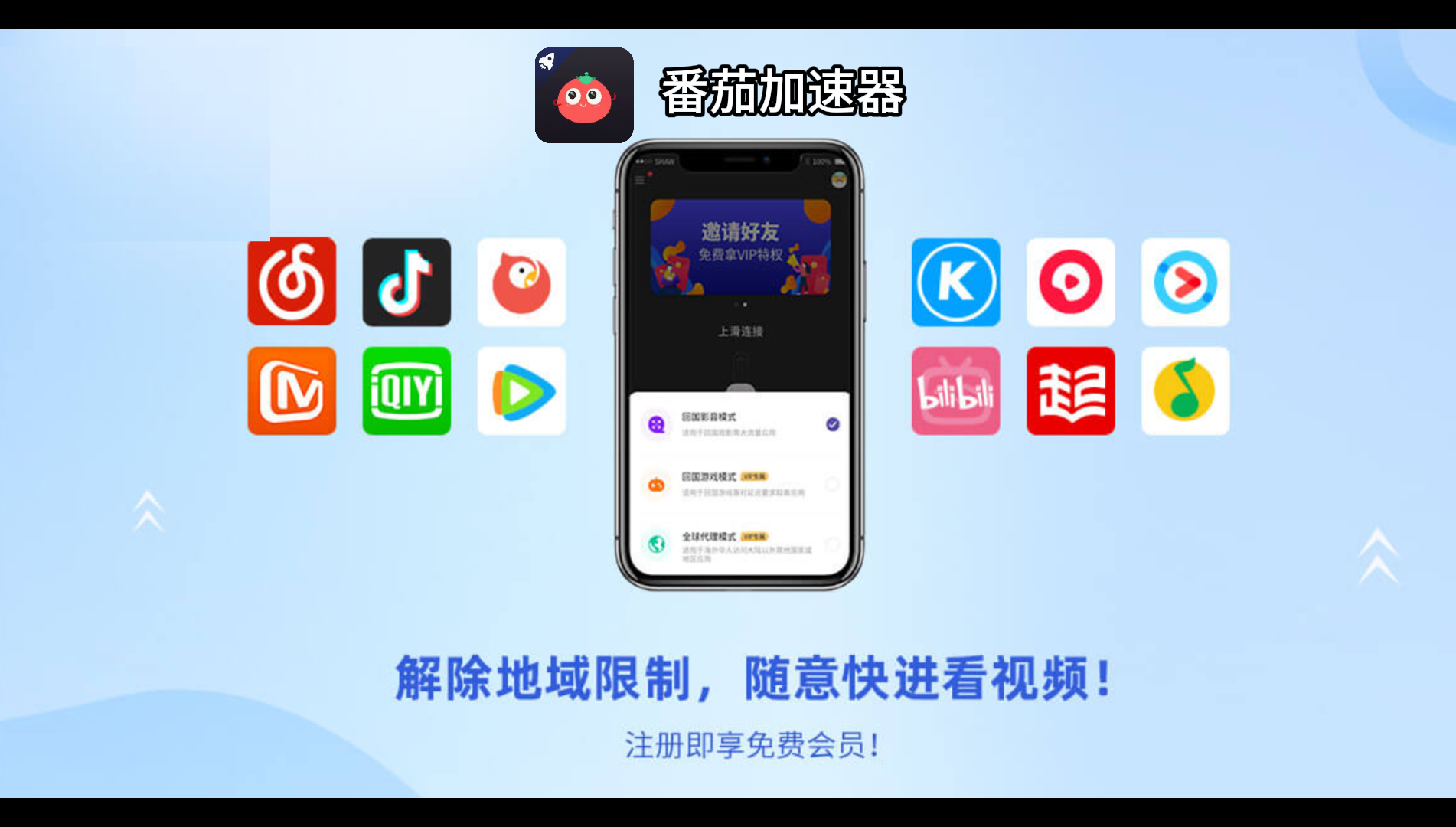
Tomato Accelerator is designed specifically for overseas users to access domestic content, and it’s been a game-changer for me. Let’s dive into the features that make it work:
First, it has global nodes spread across 30+ countries—from the US to Australia. No matter where I am (I’m currently in London), it smartly recommends the best line for my needs. For Douyu, it picks a node with the lowest latency, so the stream loads in seconds. Second, it supports all major platforms: Android, iOS, Windows, Mac. And the best part? I can use up to 5 devices at the same time. My sister and I share an account—she watches CCTV5 overseas live on her phone while I stream Douyu on my laptop, and both run smoothly.
Stability is another big win. Tomato offers unlimited traffic, so I never have to worry about running out of data mid-stream. It uses smart分流 technology, which means it only routes the traffic that needs to go through mainland servers (like Douyu or CCTV5) and lets other traffic (like Google or Netflix) go directly. This saves bandwidth and keeps the connection fast. They also have dedicated lines for影音 and games— the Douyu line gives me 100M exclusive bandwidth, so the stream is always HD without buffering. I tested it during the LPL finals peak time, and it still ran like a charm.
Data security is non-negotiable for me. Tomato uses AES-256 encryption and dedicated line transmission, so my login info for Douyu or WeChat is safe even when I’m using public Wi-Fi in a coffee shop. And if I ever have an issue, their after-sales support is real-time. Last week, I had trouble connecting to the CCTV5 line—sent a message through the app, and a tech team member responded in 5 minutes. They walked me through switching to a different node, and it was working again in no time.
Step-by-Step Guide to Using Tomato Accelerator for Douyu and CCTV5
Using Tomato is super straightforward. Here’s how to get started: First, download the app from their official website (make sure to pick the right version for your device). Then, sign up for an account—they offer a free 3-day trial, so you can test it before paying. Once logged in, the app automatically recommends the best line for you. For Douyu, select the “Video” category to connect to a dedicated line. For CCTV5 overseas live, choose the “Live Sports” line. Then open the Douyu app or CCTV5 website—no more地域限制 messages, just smooth streaming.
Pro Tips to Avoid Common Issues
A few things to keep in mind: Always update to the latest version of Tomato—they fix bugs and improve speed regularly. If you’re having trouble with a specific platform, try switching to a different node (the app has a list of nodes you can choose from). And make sure your internet connection is stable—even the best accelerator can’t fix a bad Wi-Fi signal. For example, if you’re in a place with weak Wi-Fi, try using mobile data with Tomato—it still works great.
Going back to that Douyu stream I wanted to watch last night: With Tomato, I can now tune in every night without any issues. Whether you’re dealing with Douyu地域限制, trying to watch CCTV5 overseas live, or just want to use domestic apps like Taobao or WeChat Pay smoothly, Tomato has you covered. It’s not just about getting around restrictions—it’s about feeling connected to home no matter where you are. If you’re tired of buffering and error messages, give Tomato a try—it’s the solution I wish I’d found earlier.